

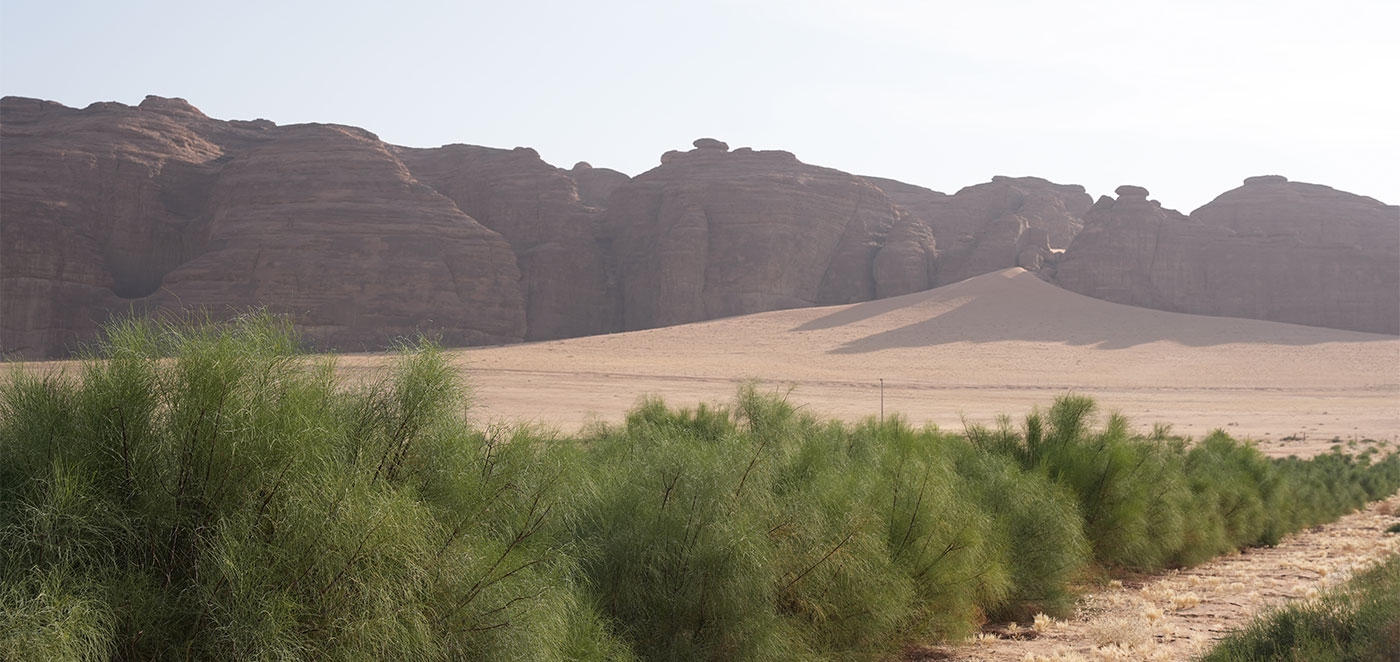
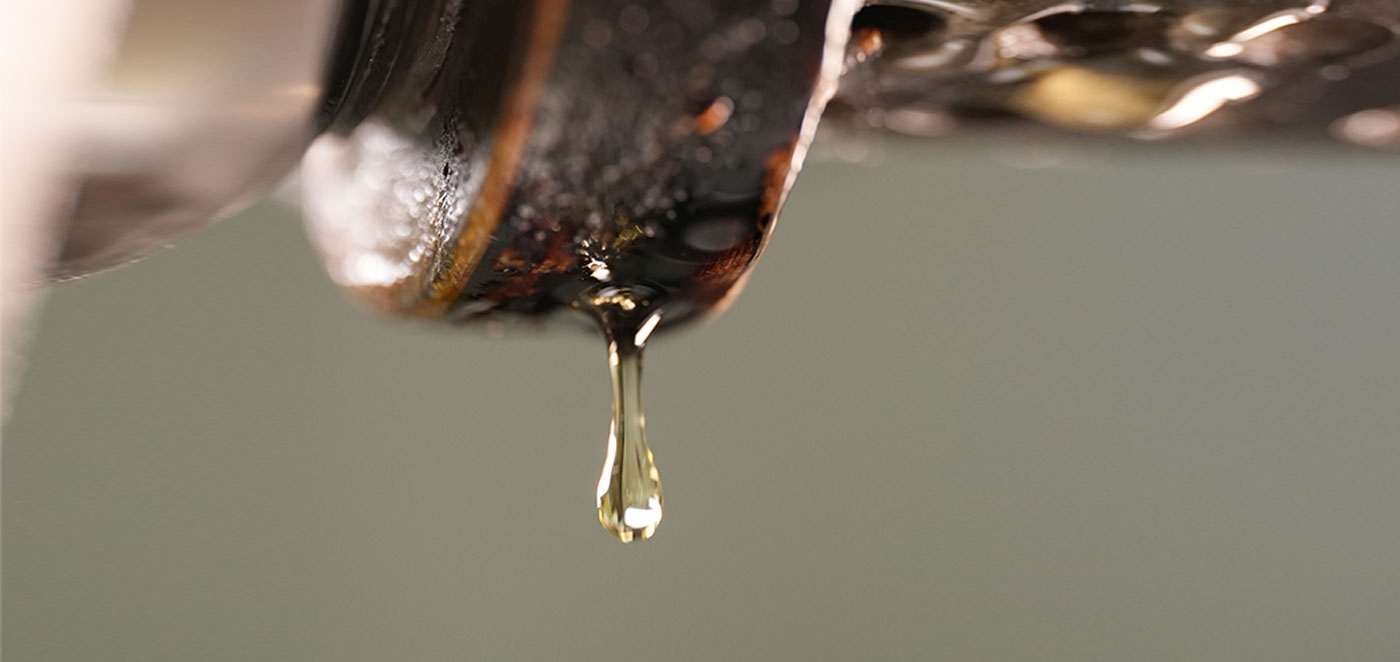
FromToExtremophile and ResilienceInnovation and Purity
A Tree Rooted in Time

Antiquity
A time when natural treasures were revered in the Hejjaz region—where farmers first connected with the precious Peregrina Tree, using it for light medicine, cosmetics, and luxury perfume.
Late 20th century
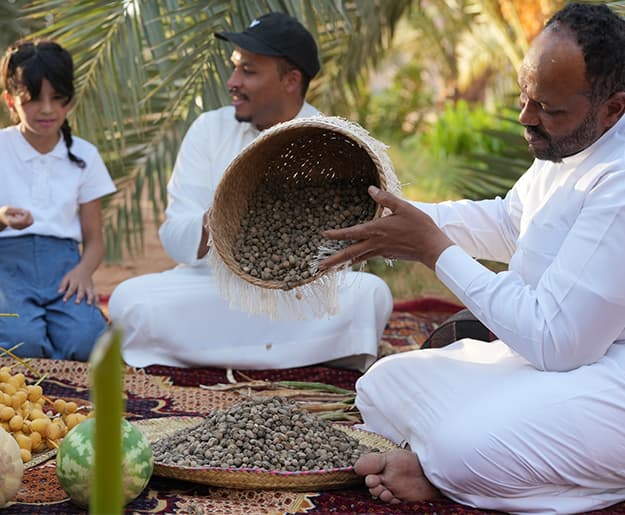
AlUla farmers continued the cultivation of Peregrina, employing time-honored techniques passed through generations. Traditional uses remained integral to local life, with Peregrina valued for its role in traditional remedies and cultural practices.
A Rare Natural Asset with Hidden Gems
The Peregrina tree, an extremophile gradian of its own genetic heritage for millennia, thrives in one of earth’s most challenging environments through unique adaptive mechanisms.

Family
Moringaceae

Species
Moringa peregrina (Forssk.) Fiori

Common Names
Peregrina, al bân, ben
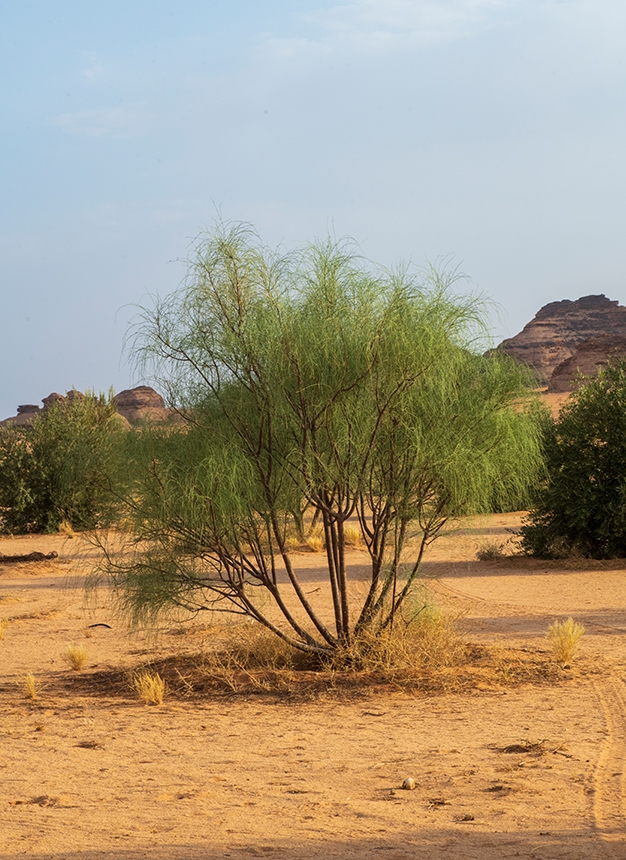
Peregrina Tree Life Cycle
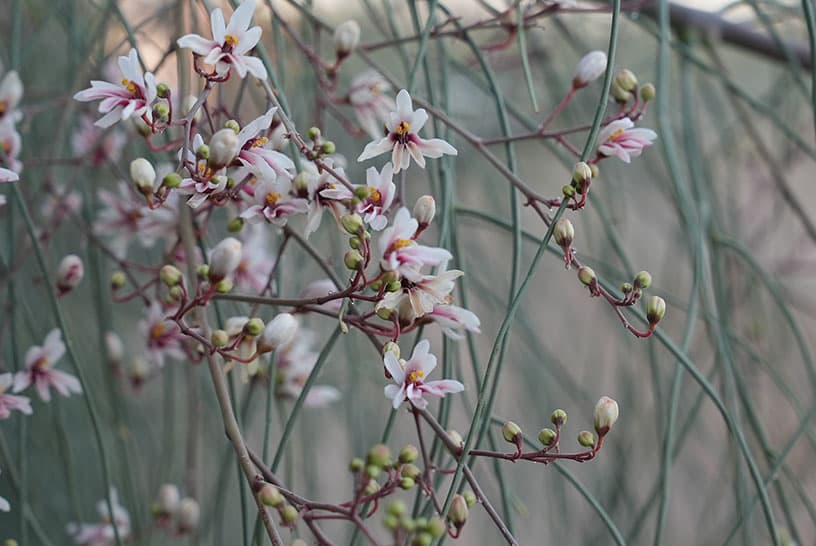
Blossoming
From March to April
Soft pink and white, the five-petal flowers bloom with a sweet, honeyed fragrance—signaling the tree’s peak vitality.
Pod Growth
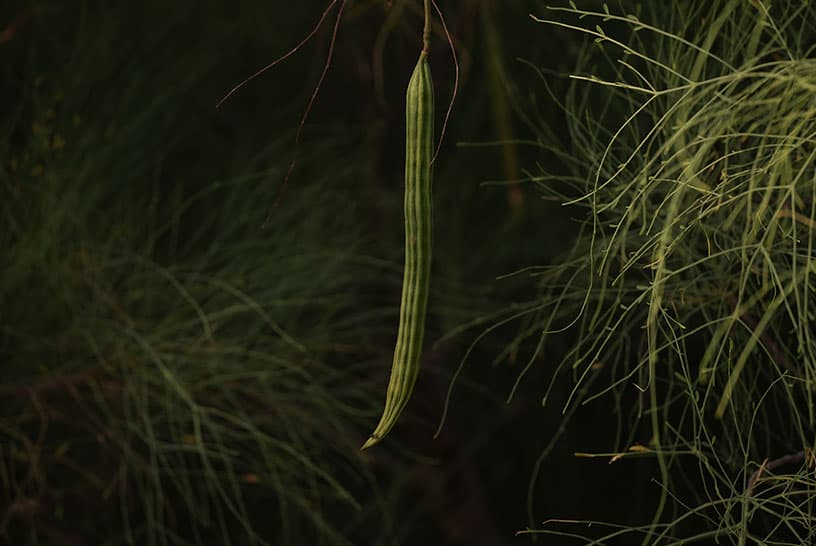
From May to June
Elongated pods develop, holding within them the tree’s most powerful element—its seeds
Harvest
From June to August
At full maturity, the pods are carefully hand-harvested by local farmers Only pure seeds are selected to ensure the highest quality.

Trimming & Mulching
From September to December
Peregrina trees are trimmed and pruned. The branches and pods are mulched and composted on-site, a sustainable practice that supports healthy soil.


Blossoming
From March to April

Pod Growth
From May to June

Harvest
From June to August

Trimming & Mulching
From September to December